

In recent years, the intersection of corporate practices and immigration enforcement has sparked intense debate. One of the most controversial claims involves Coca-Cola, a global giant known for its refreshing beverages. Allegations have surfaced suggesting that the company reported its employees to U.S. Immigration and Customs Enforcement (ICE), raising questions about corporate responsibility and ethical labor practices.
As communities grapple with the implications of such actions, the focus turns to the potential impact on workers and their families. Understanding the truth behind these claims is crucial, not just for Coca-Cola but for the broader conversation about how businesses navigate immigration issues. This article delves into the facts surrounding the allegations, offering insights into the company’s practices and the implications for its workforce.
Overview of the Incident
Coca-Cola faced allegations that it reported employees to U.S. Immigration and Customs Enforcement (ICE). These claims emerged from accusations that the company facilitated ICE’s surveillance among its workforce, particularly targeting undocumented workers.
Reports indicated that certain Coca-Cola bottling plants experienced heightened scrutiny, leading to increased fears among employees regarding their immigration status. Specific incidents at facilities highlighted a pattern of cooperation between Coca-Cola and federal enforcement agencies.
In response to the allegations, Coca-Cola denied any wrongdoing. The firm stated that its policies emphasize fair workplace practices and respect for all employees, regardless of immigration status. According to corporate representatives, the company supports responsible immigration enforcement while seeking to protect its workers from potential harm.
The situation has sparked significant debate surrounding corporate ethics and the treatment of laborers in the context of immigration policies. Various advocacy groups expressed concerns about the implications for employee welfare and their families, urging companies to adopt more transparent practices regarding labor rights and immigration issues.
Background on Coca-Cola
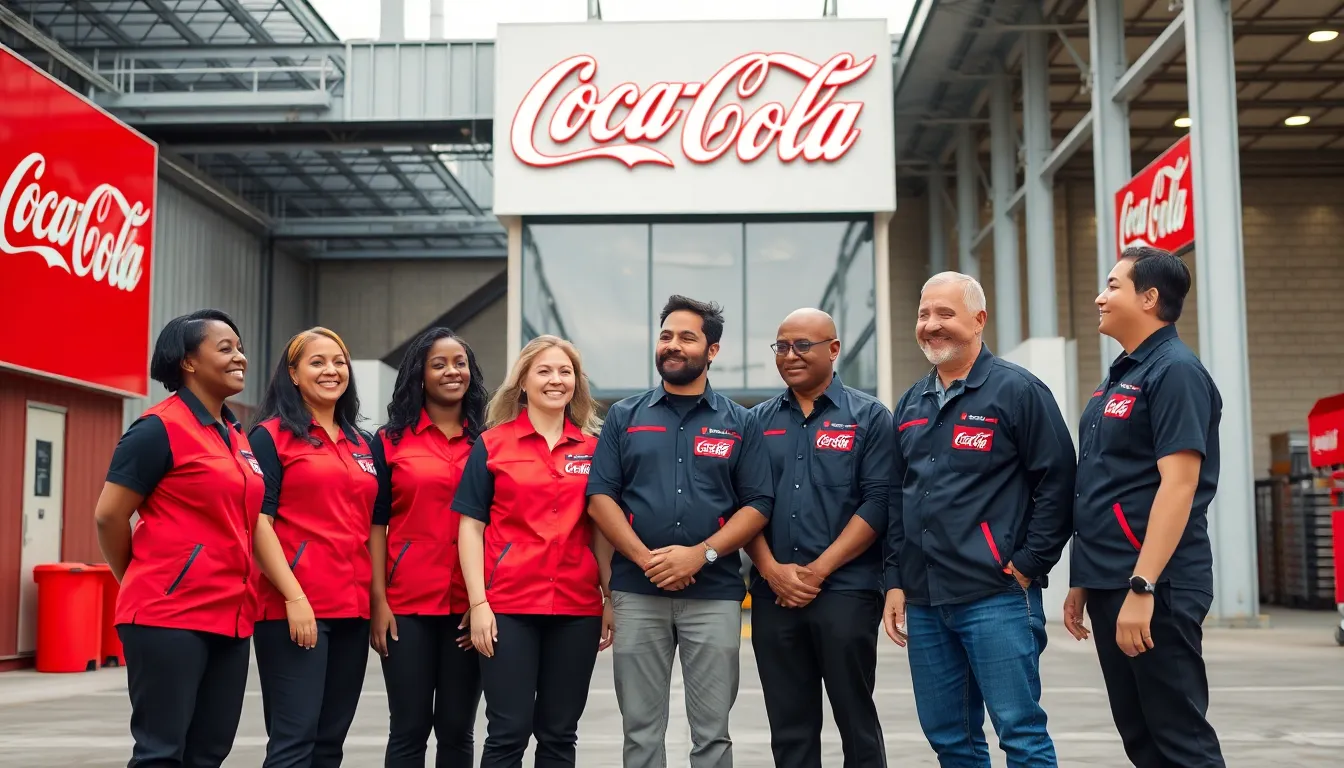
Coca-Cola, a leading global beverage company, has faced scrutiny regarding its labor practices and responses to immigration policies. The company’s actions and policies aim to maintain ethical standards, yet controversy persists.
Company Values and Ethics
Coca-Cola emphasizes a commitment to corporate social responsibility, focusing on fairness and integrity in its operations. The company’s values underscore respect for all employees, regardless of their immigration status. It actively promotes diversity and inclusion within its workforce. Coca-Cola implements training programs to educate employees on workplace rights and ethical conduct. Regular assessments and third-party audits help ensure compliance with these values, although challenges arise in practice.
Previous Controversies
Coca-Cola’s history includes various controversies, particularly surrounding labor practices and environmental issues. In the early 2000s, the company faced allegations of human rights violations in countries like Colombia, where reports of intimidation and violence against union leaders emerged. Additionally, environmental concerns regarding water usage have led to criticism in communities around the world. These past issues contribute to ongoing public discourse about the company’s corporate citizenship and responsibility in addressing social and ethical challenges.
Information on ICE
U.S. Immigration and Customs Enforcement (ICE) plays a significant role in enforcing immigration laws related to employment. Understanding ICE’s functions and its impacts on workers and communities is critical to grasping the current controversy surrounding Coca-Cola.
Role of ICE in Employment Enforcement
ICE enforces immigration laws through the investigation of employers suspected of hiring unauthorized workers. The agency conducts audits, known as I-9 inspections, to verify documentation of employees. These inspections can lead to employer fines, reputational damage, and, in some cases, criminal charges. ICE prioritizes targeting specific industries with high rates of undocumented workers, which may include food and beverage sectors. In 2020, ICE initiated over 3,000 workplace investigations, emphasizing its focus on labor compliance and employer accountability.
Impacts on Workers and Communities
ICE actions can create significant fear and anxiety among employees, particularly in immigrant communities. When businesses face scrutiny or raids, workers may hesitate to report workplace abuses or unsafe conditions, fearing deportation or job loss. Families often experience stress and emotional distress during these investigations. Communities may see economic downturns as local businesses suffer from reduced workforce stability. Studies have indicated that targeted ICE operations can lead to decreased attendance in schools and increased social unrest, highlighting the far-reaching consequences of immigration enforcement practices.
What Happened?
Allegations have emerged regarding Coca-Cola’s possible involvement in notifying ICE about its employees, particularly targeting undocumented workers. These claims raised significant concerns about corporate ethical practices.
Timeline of Events
| Date | Event Description |
|---|---|
| 2017 | Employees at Coca-Cola bottling plants reported increased ICE presence. |
| 2019 | Reports surfaced alleging that Coca-Cola cooperated with ICE audits. |
| 2020 | Coca-Cola issued statements denying any wrongdoing and affirming its commitment to employee rights. |
| 2021 | Advocacy groups launched campaigns criticizing Coca-Cola’s labor practices. |
| 2023 | Ongoing scrutiny and media coverage continue to highlight concerns over immigrant worker treatment. |
Sources and Evidence
Investigative reports and interviews with employees sparked these allegations against Coca-Cola. Advocacy groups, including the National Day Laborer Organizing Network and the Economic Policy Institute, provided documentation supporting claims of intimidation among workers. Coca-Cola’s public statements counter these claims, emphasizing its policies on fair labor practices. Third-party audits and assessments reveal the company’s commitment to ethical conduct; however, discrepancies between policy and practice suggest a gap that warrants further examination.
Public Reactions
Coca-Cola’s reported actions regarding employee notifications to ICE have sparked widespread reactions from various communities, particularly among employees and social media users.
Employee Perspectives
Employees at Coca-Cola’s bottling plants expressed fear and anxiety following reports of increased ICE activity. Many voiced concerns over potential job loss and deportation, leading to a heightened sense of vulnerability. Some workers indicated that they felt uncomfortable discussing workplace issues due to fears of retaliation or scrutiny. Interviews revealed that workers are reluctant to report workplace abuses, as they believe their immigration status may lead to increased attention from authorities. These sentiments reflect a broader concern about job security and ethical treatment within the company.
Social Media Response
On social media, reactions ranged from outrage to support. Many users condemned Coca-Cola’s alleged cooperation with ICE, questioning the company’s commitment to employee welfare. Various hashtags emerged, with activists calling for boycotts and greater transparency. Supporters of the company pointed to its diversity initiatives and public commitments to fair labor practices, asserting that the allegations stem from misunderstandings. The viral nature of these discussions has amplified public scrutiny, prompting Coca-Cola to address the issue more directly.
Legal Implications
Understanding the legal implications surrounding Coca-Cola’s alleged reporting of employees to ICE is crucial for comprehending the broader context of labor practices and immigration policy enforcement in the corporate environment.
Employment Law Considerations
Employment law significantly influences how companies address immigration status and employee rights. Federal regulations mandate that employers verify the employment eligibility of their workforce. Non-compliance can lead to hefty fines and legal action. If Coca-Cola reported employees to ICE, it raises questions about the ethicality of such actions concerning employee protections under federal and state laws. Legal frameworks such as the Immigration Reform and Control Act (IRCA) establish standards for handling undocumented workers, balancing enforcement with the prevention of discrimination. Companies must navigate these laws carefully to avoid violations that could impact their reputation and operational integrity.
Potential Consequences for Coca-Cola
Coca-Cola faces several potential consequences if the allegations prove true. Legal ramifications include investigations and penalties from government agencies, which can result in fines up to $10,000 per violation. Reputational damage may affect customer loyalty and public perception, leading to boycotts or a decline in sales. Furthermore, ongoing scrutiny could prompt more stringent regulations on corporate practices concerning immigration and labor. Employee morale and retention might also suffer, as fear and distrust could undermine workplace harmony. The company’s response to these allegations could set a precedent for how businesses engage with immigration enforcement while managing labor relations.
Coca-Cola’s alleged actions regarding employee reporting to ICE have sparked significant debate about corporate ethics and responsibility. While the company maintains its commitment to fair labor practices, the fear and anxiety among workers highlight a critical disconnect between policy and reality. The ongoing scrutiny of Coca-Cola’s labor practices sheds light on broader issues within the industry, particularly concerning immigrant rights and workplace safety.
As public discourse continues to evolve, the implications of these allegations may influence not only Coca-Cola’s reputation but also set a precedent for how companies address immigration enforcement and labor relations. The situation remains fluid, and the responses from both the company and its workforce will be crucial in shaping the future of corporate accountability in this context.