
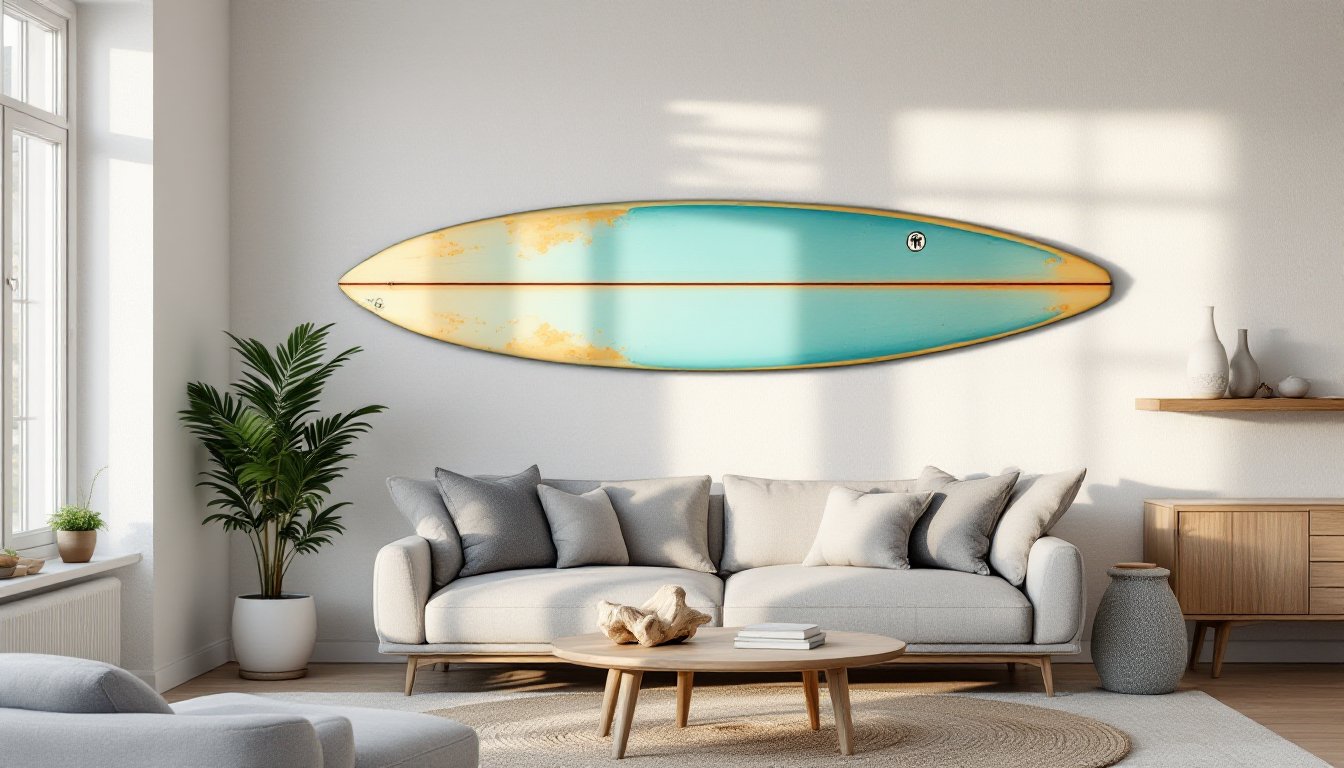
Surfboards aren’t just for catching waves anymore. They’ve become one of the most versatile design elements in contemporary home decor, bringing texture, color, and personality to walls in ways that traditional art can’t match. Whether it’s a vintage longboard with a storied past or a decorative replica designed specifically for display, surfboard wall decor adds instant character to any space. The beauty lies in their sculptural quality, they’re dimensional, tactile, and conversation-worthy. And unlike trendy decor that cycles in and out of style, the coastal aesthetic has staying power, making surfboards a smart long-term design investment that works in beach houses, city apartments, and suburban homes alike.
Table of Contents
ToggleKey Takeaways
- Surfboard wall decor adds instant character and three-dimensional depth to any room by introducing verticality, texture, and visual interest that traditional flat artwork cannot replicate.
- Authentic vintage surfboards range from $50–$1,000+ depending on condition and rarity, while decorative replicas and wooden boards offer affordable alternatives starting at $40, making surfboard wall decor accessible for any budget.
- Proper mounting technique is essential: use stud mounting for heavy fiberglass boards (10–25 pounds) with 2.5–3-inch screws, and toggle bolts or drywall anchors for lighter decorative pieces under 10 pounds.
- Surfboard wall decor works best in living rooms, bedrooms, hallways, and bathrooms, with vertical placement near fireplaces or windows maximizing visual height and room proportions.
- Create a sophisticated coastal aesthetic by pairing your surfboard with complementary natural textures like jute, rattan, and driftwood while avoiding theme park-style kitsch through restrained accessorizing.
- Strategic lighting—either natural light near windows or mounted picture lights—highlights the board’s sculptural curves and dimension, essential to maximizing the visual impact of your surfboard wall decor display.
Why Surfboard Wall Decor Works in Any Home
Surfboards bring several design advantages that make them work far beyond beachfront properties. First, they introduce verticality. Most wall decor sits in the horizontal plane, paintings, prints, shelves, but a surfboard draws the eye upward, creating visual height that makes ceilings feel taller and rooms more expansive. This is especially useful in spaces with low ceilings or cramped layouts.
Second, they add texture and dimension. A surfboard isn’t flat canvas: it has curves, rails, fins, and often a glossy or matte finish that catches light differently throughout the day. This three-dimensional quality creates shadows and depth that photographs or prints simply can’t replicate.
Third, surfboards are inherently flexible in style. A weathered vintage board fits perfectly in rustic, industrial, or bohemian interiors. A brightly painted decorative board complements modern, eclectic, or tropical themes. Even minimalist spaces benefit from the clean lines of a single white or natural wood surfboard mounted as a focal point.
Finally, there’s the storytelling element. Surfboards carry associations with adventure, freedom, and outdoor living, qualities that resonate with homeowners looking to inject personality into their spaces without relying on mass-produced artwork. They create an immediate mood and can anchor an entire room’s design direction.
Types of Surfboard Wall Decor to Consider
Vintage and Authentic Surfboards
Authentic surfboards, whether true vintage pieces or retired boards with actual water time, offer unmatched character. These boards typically range from 6 to 10 feet in length, with longboards pushing up to 12 feet. Look for classic shapes like single-fin longboards from the 1960s-70s, twin-fin fish boards, or retro pintails.
When sourcing vintage boards, inspect the condition carefully. Minor dings, yellowed resin, and sun-faded logos add character, but deep cracks, delamination (where the fiberglass separates from the foam core), or water damage can worsen over time and aren’t ideal for display. Boards with original manufacturer logos, Hobie, Gordon & Smith, Lightning Bolt, carry collector value but come with higher price tags, often ranging from $200 to $1,000+ depending on rarity and condition.
Retired boards from local shapers or surf shops offer an affordable alternative. Many surfers sell boards that have been ridden hard but still display well, typically priced between $50 and $200. These carry authentic surf history without the vintage premium. Just make sure to clean them thoroughly, salt, wax, and grime don’t translate well indoors.
Decorative Surfboard Replicas and Art Pieces
Decorative surf board wall decor pieces are purpose-built for interiors. These range from lightweight wooden replicas to painted foam boards designed purely for aesthetics. Sizes vary widely, from 2-foot mini boards perfect for gallery walls to full-scale 8-foot replicas that serve as statement pieces.
Wooden decorative boards often feature painted graphics, stained finishes, or carved details. They’re typically constructed from 1/2-inch to 3/4-inch plywood or solid wood, making them lighter and easier to mount than fiberglass boards. Expect to pay $40 to $150 for quality wooden pieces, with hand-painted or custom designs commanding premium prices.
Foam and composite replicas mimic the shape and finish of real surfboards but weigh considerably less, often under 5 pounds for a 6-foot board. This makes them ideal for renters or anyone mounting on drywall without access to studs. Paint finishes range from glossy automotive-style coats to distressed, weathered looks that replicate vintage patina.
For those with woodworking skills, building custom decorative boards is entirely feasible. Sites offering free DIY furniture plans often include similar large-scale wooden projects that translate well to surfboard construction. The basic process involves cutting the board profile from plywood, sanding edges smooth, routing a rounded profile on the rails, and applying finish or paint.
Best Rooms and Placement Ideas for Surfboard Decor
Living rooms and family rooms are natural fits for surfboard wall decor. Mount a single large board above a sofa as a focal point, or create an asymmetrical arrangement with boards of varying lengths. Vertical placement works particularly well flanking fireplaces or large windows, drawing the eye upward and balancing the room’s proportions.
Bedrooms, especially kids’ and teen spaces, benefit from the casual, adventurous vibe surfboards bring. A 6 to 7-foot board mounted horizontally above a bed creates a dramatic headboard effect without the bulk of traditional furniture. For smaller rooms, consider mounting a shorter board vertically in a corner or above a dresser.
Bathrooms and hallways are often overlooked but ideal locations. A narrow hallway becomes a gallery with one or two boards mounted vertically along the length. In bathrooms, decorative boards handle moisture well (authentic fiberglass boards are already water-resistant), though avoid placing them directly in shower spray zones.
Outdoor spaces, covered patios, screened porches, or pool areas, are perfect for weathered or damaged boards that might not pass muster indoors. The elements add character rather than detracting from appearance, and these spaces naturally complement the coastal aesthetic.
When planning placement, consider ceiling height. Rooms with 8-foot ceilings can accommodate boards up to 7 feet mounted vertically with adequate clearance. Vaulted or high ceilings open up possibilities for displaying full-length 9 to 12-foot longboards. Always leave at least 6 to 12 inches of clearance from ceiling and floor to avoid a cramped appearance.
How to Mount and Display Surfboards on Your Wall
Mounting a surfboard securely requires understanding both the board’s weight and your wall structure. Authentic fiberglass surfboards weigh 10 to 25 pounds, while decorative wooden or foam boards typically weigh 3 to 12 pounds.
For stud mounting (most secure):
- Locate studs using a stud finder. Standard stud spacing is 16 inches on center, though older homes may use 24-inch spacing.
- Use 2.5 to 3-inch wood screws or lag screws driven into studs for boards over 15 pounds.
- Install surfboard wall mounts or brackets, horizontal mounts work for displaying boards flat against the wall: vertical cradle-style mounts work for fins-out display. Most mounts use two mounting points spaced 16 to 24 inches apart.
- For heavy vintage longboards over 20 pounds, use three mounting points distributed evenly along the board’s length for stability.
For drywall mounting (lighter boards only):
- Use toggle bolts or heavy-duty drywall anchors rated for at least 50 pounds each (use two minimum).
- This method works for decorative boards under 10 pounds but isn’t recommended for authentic fiberglass boards.
- Always exceed the weight rating, if the board weighs 8 pounds, use anchors rated for 20+ pounds each.
Hanging techniques:
Some DIYers prefer building custom wooden cradles, essentially two L-shaped brackets that support the board at the nose and tail. These can be constructed from 1×4 or 1×6 pine boards cut to create a lip that cradles the board’s rail. Detailed step-by-step DIY project tutorials often cover custom mounting solutions for large wall decor that translate well to surfboard display.
Safety considerations:
- Wear safety glasses when drilling into walls, dust and debris are inevitable.
- Use a level to ensure mounts are plumb and aligned. An off-kilter surfboard is immediately noticeable.
- If mounting above furniture or high-traffic areas, use redundant mounting points. The consequence of failure isn’t just cosmetic.
- Check local building codes if mounting extremely heavy boards (30+ pounds) or using substantial hardware, some jurisdictions have requirements for wall-mounted objects over certain weights, though this is rare for residential decor.
Styling Tips: Creating a Cohesive Coastal Look
A surfboard alone doesn’t create a coastal aesthetic, it needs supporting elements that reinforce the theme without tipping into cliché beach kitsch.
Color coordination matters more than most realize. Weathered boards with natural wood tones pair beautifully with neutral palettes, whites, grays, sandy beiges, and soft blues. Brightly colored boards work in spaces with bolder accent colors but require restraint elsewhere to avoid visual chaos. If the board features multiple colors, pull one or two shades into throw pillows, rugs, or smaller decor items to create visual cohesion.
Complementary materials strengthen the coastal vibe. Natural textures like jute rugs, rattan furniture, linen upholstery, and driftwood accents all reinforce the relaxed, organic feel that surfboards bring. Avoid synthetic materials and overly polished finishes that clash with the board’s casual nature.
Lighting plays a crucial role. Surfboards have curves and dimension that benefit from strategic lighting. Consider mounting picture lights above the board or using track lighting to create shadows that highlight the board’s shape. Natural light works beautifully too, positioning a board near windows creates shifting shadows throughout the day.
Avoid overdoing the theme. One well-placed surfboard creates impact: three boards plus nautical rope plus starfish plus “Beach Life” signs creates a theme park. The goal is sophisticated coastal style, not a surf shop replica. Let the board be the statement piece and keep supporting decor subtle.
Mix styles thoughtfully. Surfboards work surprisingly well in non-coastal contexts. An industrial loft benefits from a raw, unfinished wooden board that echoes reclaimed materials. A modern farmhouse can incorporate a vintage longboard as folk art. The key is treating the board as sculptural art rather than literal beach decor.
For those looking to build additional coastal elements, woodworking project plans offer blueprints for complementary pieces like floating shelves, weathered wood frames, or custom furniture that extends the aesthetic beyond the surfboard itself. Creating a cohesive look often means building or customizing pieces that share materials, finishes, or construction techniques with your surfboard display.