
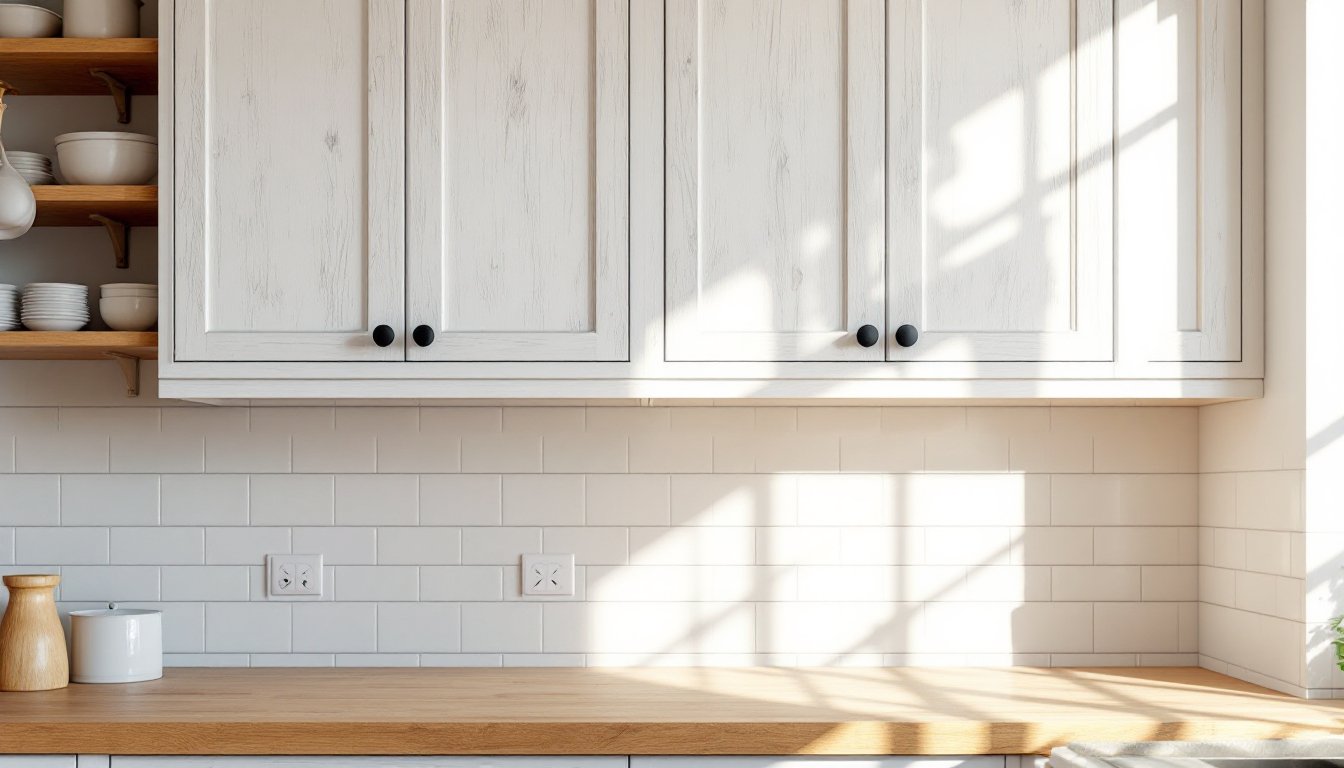
Whitewashing kitchen cabinets transforms tired wood finishes into bright, open-feeling spaces without hiding the natural grain underneath. Unlike solid paint that covers everything, whitewash lets the wood’s texture show through, creating that sought-after rustic-coastal vibe that’s been popular for decades, and still looks fresh today. This technique works on oak, pine, maple, or any wood cabinet, whether they’re already stained or left natural. Best part? It’s forgiving enough for first-time finishers and requires only basic tools. Whether someone’s looking to lighten dark cabinets or add character to builder-grade boxes, whitewashing delivers big impact for minimal investment.
Table of Contents
ToggleKey Takeaways
- Whitewash kitchen cabinets preserve wood grain and natural texture while creating a bright, coastal-rustic finish that’s forgiving for first-time DIYers.
- Proper preparation—including cleaning, sanding, and dust removal—is critical; skipping these steps causes the whitewash to bond poorly and wear through within months.
- The whitewash application technique uses a 1:1 water-to-paint ratio that you can adjust based on test samples, with strategic wiping to control opacity and expose grain character.
- Seal whitewashed cabinets with water-based polyurethane in satin or matte sheen for kitchen durability, and allow 72 hours of curing before reinstalling hardware.
- Maintain whitewashed kitchen cabinets by wiping with mild soap, addressing grease promptly, and recoating with polyurethane every 3–5 years to preserve the finish for decades.
What Is Whitewashing and Why Choose It for Kitchen Cabinets?
Whitewashing is a finishing technique that applies a thinned white paint or stain mixture to bare or previously finished wood, allowing the grain pattern to remain visible. Unlike opaque paint that sits on top of wood, whitewash penetrates into the grain while depositing white pigment, creating a semi-transparent, weathered look.
The method originated centuries ago when builders mixed lime and water to protect and brighten wood structures. Modern whitewashing uses diluted latex paint or commercial whitewash products to achieve similar results with better durability and easier cleanup.
Why whitewash instead of painting solid? Three key advantages:
- Preserves wood character: Oak’s pronounced grain or pine’s knots stay visible, adding texture and depth that flat paint can’t match.
- Hides imperfections gracefully: Minor scratches, dents, or color variations in older cabinets blend into the textured finish rather than standing out against solid color.
- Easier application: The thin consistency flows into details and doesn’t require perfect brush technique, streaks and variation actually enhance the hand-finished look.
Whitewashed kitchen cabinets suit a range of styles, from farmhouse and coastal to Scandinavian minimalism. They brighten small kitchens without the starkness of pure white, and they pair well with both modern hardware and vintage fixtures. The technique works equally well on flat-panel shaker doors or raised-panel traditional styles.
Materials and Tools You’ll Need for Whitewashing Cabinets
Gather everything before starting, cabinet projects stall when someone has to make mid-job supply runs. Most materials are available at any home center.
Materials:
- White latex paint (flat or satin sheen), avoid glossy finishes, which don’t thin properly
- Water for dilution (roughly 1:1 or 2:1 water-to-paint ratio, adjustable)
- Wood conditioner (optional but recommended for softwoods like pine)
- Deglosser or TSP substitute for cleaning and dulling existing finishes
- Fine-grit sandpaper (220-grit) or sanding sponges
- Tack cloth or microfiber rags
- Water-based polyurethane (satin or matte) for topcoat protection
- Drop cloths and painter’s tape
Tools:
- Natural-bristle brushes (2-inch and 1-inch widths), synthetic can work, but natural bristles hold more wash and create better texture
- Lint-free rags (old cotton T-shirts work great)
- Paint tray or mixing container
- Screwdriver or drill for removing hardware
- Rubber gloves (latex paint washes off, but it’s messy work)
- Stir sticks
PPE (Personal Protective Equipment):
- Safety glasses, drips happen when working overhead
- Nitrile or latex gloves, extended contact with paint and cleaners irritates skin
- Dust mask or N95 respirator, essential during sanding
Some painters add a small amount of gray or tan paint to the white for a warmer, less stark finish. Test this on scrap wood first, pigment adjustments are hard to reverse once the whole kitchen’s done.
Step-by-Step Guide to Whitewashing Your Kitchen Cabinets
Preparing Your Cabinets for the Perfect Finish
Proper prep determines whether the finish lasts two years or twenty. Skip steps here, and the whitewash won’t bond properly or will wear through at handles within months.
1. Remove doors and hardware. Label each door with painter’s tape on the back (“upper left,” “lower right,” etc.) so they go back in the right spot. Door alignment varies, and swapping locations causes gaps. Store screws in labeled sandwich bags.
2. Clean everything thoroughly. Kitchen cabinets accumulate grease film that prevents paint adhesion. Wipe all surfaces with deglosser or a TSP substitute using a clean rag. Pay extra attention to areas near the stove. Let dry completely, usually 15-20 minutes.
3. Sand the existing finish. If cabinets have polyurethane, varnish, or glossy paint, they need dulling for the whitewash to grab. Use 220-grit sandpaper and scuff all surfaces lightly, not sanding down to bare wood, just roughing up the sheen. For already-raw wood cabinets, a light sanding smooths raised grain.
4. Remove all dust. Sanding dust mixes into wet whitewash and creates a gritty texture. Vacuum the work area, then wipe every surface with a tack cloth. Go over it twice, dust hides in panel grooves and hinge mortises.
5. Apply wood conditioner (optional). On softwoods like pine, conditioner prevents blotchy absorption. Brush it on following the grain, wait 10-15 minutes, then wipe off excess. Not necessary for oak or maple, which absorb more evenly.
Set up doors horizontally on sawhorses or a workbench. Working flat prevents runs and drips. The cabinet boxes can be whitewashed in place, but removing them makes the job easier if that’s an option.
Applying the Whitewash Technique
6. Mix the whitewash. Start with a 1:1 ratio of white latex paint to water in a paint tray or bucket. Stir thoroughly, paint settles, and an inconsistent mix creates streaky results. This ratio gives a medium-opacity finish: adjust after testing. More water = more transparent (grain shows more). Less water = more opaque (closer to paint).
7. Test on a hidden area. Brush the mixture on the inside of a door or the back of a face frame. Let it dry 20-30 minutes, wet whitewash looks much darker than dry. If the grain’s too hidden, add more water. If it’s too sheer, add more paint. Write down the final ratio for consistency across all cabinets.
8. Apply the first coat. Dip the brush about halfway into the whitewash, tap off excess, and brush onto the wood following the grain direction. Work in manageable sections, one door panel or one cabinet door at a time. Don’t worry about perfect coverage: variation adds character.
9. Wipe and adjust opacity. Within 2-3 minutes of brushing (before the wash dries), use a clean, lint-free rag to wipe across the surface. Wipe lightly to remove some wash and expose more grain, or leave it alone for heavier coverage. This is where the technique gets personal, no two whitewash finishes look identical. Some DIYers prefer a heavily distressed look with the wash only settled in grain lines and corners, while others want even, light coverage overall. Similar cabinet transformation techniques can guide those experimenting with different opacity levels and layering approaches.
10. Let dry and assess. First coats usually dry within 1-2 hours depending on humidity and temperature. Most cabinets need a second coat for even coverage. If the first coat looks perfect, stop there, over-working creates a muddy appearance.
11. Apply a second coat if needed. Repeat the brush-and-wipe process. The second coat builds opacity and evens out any thin spots. Work quickly and don’t over-brush, which lifts the first layer.
12. Seal with polyurethane. Once the final whitewash coat is fully dry (overnight is safest), apply a water-based polyurethane topcoat. Use a satin or matte sheen, gloss looks plasticky on whitewashed surfaces. Brush it on thin and even, following the grain. Two coats of poly provide adequate protection for kitchen use. Sand lightly with 320-grit between poly coats and wipe with a tack cloth before applying the next layer.
Allow the topcoat to cure for 72 hours before reinstalling doors and hardware. Water-based poly hardens over several days, and rushing leads to fingerprints, dust imprints, or hardware marks in the finish. Many detailed cabinet refinishing tutorials walk through similar topcoat application methods to ensure long-lasting protection.
Design Tips for Styling Whitewashed Kitchen Cabinets
Whitewash cabinets function as a neutral backdrop, but a few design choices maximize their impact.
Hardware selection matters. White washed kitchen cabinets pair beautifully with:
- Matte black handles and knobs for modern farmhouse contrast
- Brushed brass or gold for warmth and a hint of elegance
- Oil-rubbed bronze for traditional or rustic settings
- Brushed nickel for a clean, contemporary look
Avoid shiny chrome, which reads too industrial against the soft, textured finish.
Countertop and backsplash coordination. Since whitewash already lightens the space, darker countertops ground the design. Soapstone, honed granite, or butcher block all work. For backsplashes, subway tile in white or cream keeps things classic, while colorful zellige or patterned cement tile adds personality. Glass tile can look too contemporary unless the rest of the kitchen skews modern.
Open shelving integration. Mixing whitewashed cabinets with a few open shelves breaks up the expanse of doors and lets the grain show from the side profile. This works especially well flanking a window or range.
Contrast with an island. Painting a kitchen island a bold color, navy, forest green, charcoal, while keeping perimeter cabinets whitewashed creates visual interest and prevents the all-white monotony some people tire of quickly.
Lighting choices. Whitewash reflects light well, but it’s not as bright as solid white paint. Under-cabinet LED strips illuminate counters without harsh overhead glare. Pendant lights with Edison bulbs or woven shades enhance the casual, textured vibe. Those exploring broader kitchen and furniture makeover ideas often find that lighting choices significantly affect how whitewashed finishes read in different times of day.
Maintaining and Caring for Your Whitewashed Cabinets
Whitewashed kitchen cabinets with a proper polyurethane topcoat hold up well to daily use, but they’re not indestructible. A little routine care keeps them looking fresh.
Regular cleaning: Wipe down cabinet faces with a damp microfiber cloth and a drop of mild dish soap. Avoid harsh cleaners, ammonia-based products, or abrasive sponges, they can dull or scratch the poly topcoat. Dry immediately to prevent water spots.
Handle grease buildup promptly. Cabinets near the stove accumulate grease film over time. Wipe them down weekly with a degreasing cleaner safe for painted surfaces. Let grease sit too long, and it bonds to the finish, requiring more aggressive cleaning that risks damaging the whitewash.
Touch-ups and repairs. High-traffic areas like handles and corners may wear through over time. Keep leftover whitewash and poly for spot repairs. Lightly sand the worn spot with 320-grit, apply a thin coat of whitewash, let dry, and topcoat with poly. Feather the edges to blend.
Avoid excessive moisture. While poly provides water resistance, standing water or high humidity can cause wood to swell or the finish to peel over time. Wipe up spills immediately, and run an exhaust fan during cooking to manage steam.
Recoat every few years. Even with good care, kitchen cabinets take a beating. Plan to apply a fresh coat of water-based polyurethane every 3-5 years. This doesn’t require sanding down to the whitewash, just a light scuff with 320-grit, a tack cloth wipe, and a new poly layer restores protection.
Whitewashed cabinets can last decades with proper sealing and maintenance. The beauty of the technique is that it ages gracefully, a bit of wear just adds to the rustic, lived-in character.