
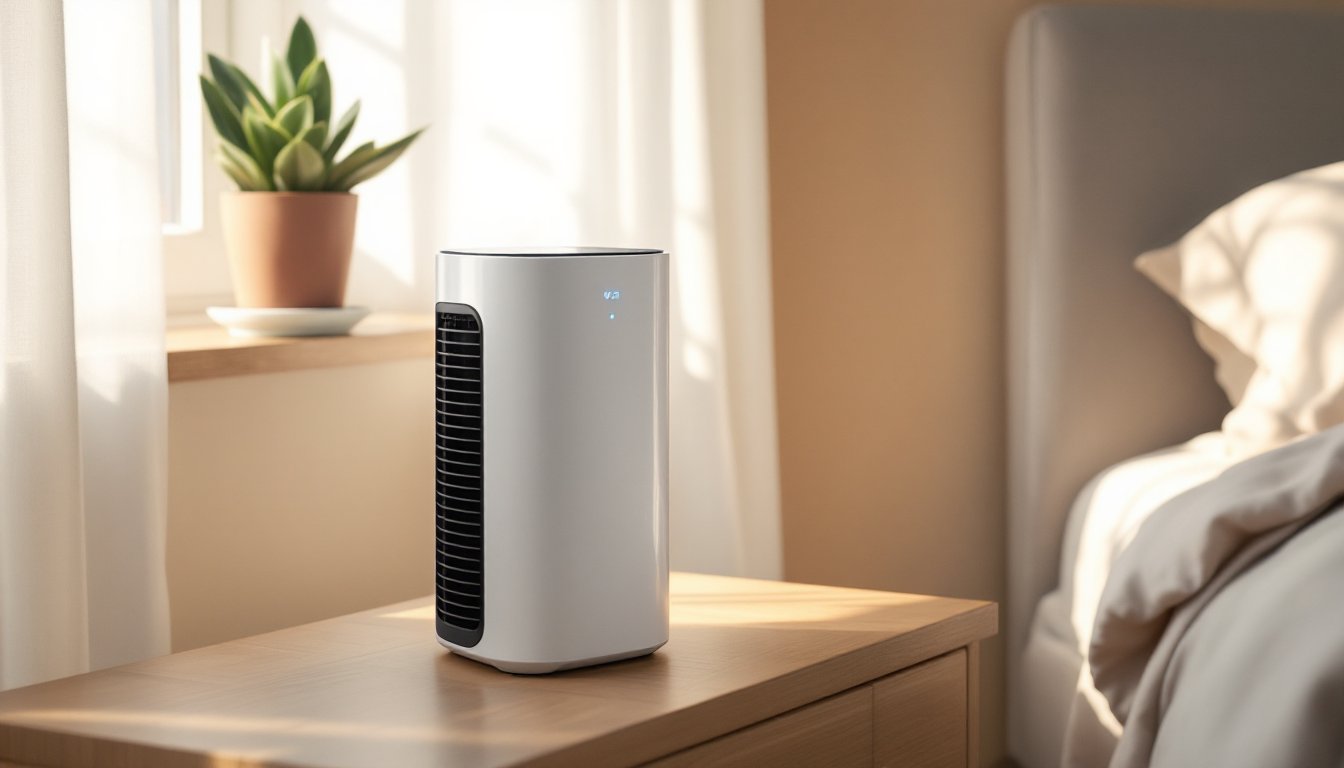
Indoor air quality doesn’t get the attention it deserves until you’re dealing with allergies, pet dander, or that musty smell that won’t quit. The Winix A231 air purifier (also marketed as the Winix A230 in some regions) is a compact, budget-friendly solution that’s earned a spot on multiple best-of lists for good reason. It’s not trying to be a whole-house system or a smart-home showpiece, it’s designed to tackle small to medium rooms with straightforward filtration and no-nonsense operation. If you’re tired of sneezing through spring or breathing in whatever your HVAC system kicks up, this guide walks you through whether the A231 is the right fit for your space, how to get the most out of it, and what to expect when it’s time to swap filters.
Table of Contents
ToggleKey Takeaways
- The Winix A231 air purifier combines True HEPA filtration with PlasmaWave technology to capture 99.97% of particles down to 0.3 microns, effectively removing allergens like pollen, mold, dust mites, and pet dander.
- Ideal for small to medium rooms up to 360 square feet, the A231 performs best in enclosed spaces like bedrooms and home offices where it can run quietly at just 27 decibels on low speed.
- The three-stage filtration system includes a washable pre-filter that can be cleaned every 2–4 weeks, extending the life of the True HEPA filter and keeping annual maintenance costs around $50–$60.
- Auto mode with a built-in air quality sensor adjusts fan speed automatically, making the Winix A231 a convenient set-and-forget option that saves energy when air quality improves.
- Avoid placing the unit in open-concept spaces larger than 400 square feet or directly against walls, as it requires at least 12 inches of clearance on all sides for optimal airflow and performance.
- The A231 excels at allergen removal and quiet operation but lacks activated carbon filtration, making it less effective for heavy odor control like cigarette smoke or chemical fumes.
What Makes the Winix A231 Stand Out?
The Winix A231 isn’t the flashiest air purifier on the market, but it nails the basics where many compact units fall short. It uses a three-stage filtration system, a washable pre-filter, a True HEPA filter (captures 99.97% of particles as small as 0.3 microns), and Winix’s proprietary PlasmaWave technology, which breaks down odors, allergens, and volatile organic compounds (VOCs) at a molecular level without producing ozone as a byproduct.
What sets it apart in the budget category is the combination of HEPA filtration with PlasmaWave. Most sub-$150 units skimp on one or the other. The A231 also skips the unnecessary bells and whistles, no app connectivity, no voice control, no color-changing mood lighting. You get a simple control panel with four fan speeds (low, medium, high, and turbo) and an auto mode that adjusts based on air quality. The air quality indicator uses a color-coded LED (blue for good, amber for moderate, red for poor) to give you real-time feedback without needing to check a screen.
It’s also quieter than you’d expect for the price point. On low, it runs at about 27 decibels, roughly the sound of a whisper. Even on high, it stays under 50 dB, which is tolerable for most living spaces. If you’re used to box fans or older purifiers that sound like a jet engine, the A231 is a noticeable upgrade.
Key Features and Filtration Technology
The three-stage filtration is the heart of the system. The washable pre-filter catches larger particles, dust, pet hair, lint, before they clog the HEPA filter. You can vacuum or rinse this under a faucet every few weeks, which extends the life of the pricier filters downstream.
The True HEPA filter is rated to capture particles down to 0.3 microns, which includes most common allergens: pollen, mold spores, dust mites, and pet dander. If you’re dealing with seasonal allergies or asthma triggers, this is the layer doing the heavy lifting. According to independent testing by air quality experts, the Winix A231 consistently ranks as a top budget performer for allergen removal.
PlasmaWave technology is Winix’s answer to activated carbon filtration. Instead of relying on charcoal to absorb odors and VOCs, PlasmaWave generates hydroxyls that chemically neutralize pollutants. It’s effective against cooking smells, smoke, and off-gassing from furniture or paint, but it’s not a miracle worker. If you’re dealing with heavy cigarette smoke or strong chemical fumes, you’ll want a unit with a dedicated activated carbon layer.
The auto mode uses a built-in air quality sensor to adjust fan speed on the fly. When the sensor detects poor air quality, the unit ramps up to high or turbo. Once the air clears, it drops back to low to save energy and reduce noise. It’s a simple feature, but it makes day-to-day operation hands-off.
Room Coverage and Performance
Winix rates the A231 for rooms up to 360 square feet, which translates to a typical bedroom, home office, or small living room. In practice, that’s about four to five air changes per hour (ACH) in a room with standard 8-foot ceilings. If you’re using it in a larger space, say, a 500-square-foot open-plan kitchen and dining area, it’ll still work, but you’ll only get two to three ACH, which is less effective for allergy control.
For best results, place the unit in the room where you spend the most time, not a hallway or open floor plan where it’s trying to filter the whole house. The Clean Air Delivery Rate (CADR) for the A231 is 232 cfm for dust, 246 cfm for pollen, and 232 cfm for smoke. Those numbers are solid for a compact unit, and they align with what professional testers have verified in lab conditions.
One note: the CADR assumes you’re running the unit on high or turbo. On low or auto mode, expect slower turnover. If you’re trying to clear out smoke or strong odors quickly, crank it to turbo for 20–30 minutes, then let auto mode take over.
Best Rooms and Placement Tips for Your Home
The A231 works best in enclosed spaces where it can recirculate air effectively. Bedrooms are the top use case, run it overnight on low or auto mode to filter out allergens while you sleep. If you’ve got pets that sleep in the room, the pre-filter and HEPA combo will handle dander and fur without much fuss.
Home offices are another smart pick, especially if you’re dealing with dust from bookshelves, printers, or HVAC vents. The quiet operation on low won’t interfere with calls or focus work. In a nursery, the A231’s night mode (which dims the LED indicators) and low noise profile make it parent-friendly. Just keep it at least three feet away from the crib to ensure proper airflow.
Avoid placing the unit directly against walls or furniture. The intake vents are on the sides and back, so you need at least 12 inches of clearance on all sides for optimal airflow. Corners are tempting for space-saving, but they choke the intake and reduce efficiency. If you’re tight on floor space, a nightstand or sturdy shelf works fine, just make sure the surface can handle the weight (the A231 is about 15 pounds) and won’t vibrate when the fan ramps up.
Don’t bother running it in open-concept spaces larger than 400 square feet. The unit doesn’t have the CFM to keep up with air exchange in a sprawling great room. If you’ve got a 600-square-foot loft, you’re better off with two smaller units or stepping up to a higher-capacity model.
One last tip: if you’re using it in a room with high humidity (bathroom, basement laundry area), keep an eye on the filters. Damp conditions can shorten HEPA filter life and promote mold growth. In those cases, run a dehumidifier alongside the purifier to keep moisture in check.
Maintenance Requirements and Filter Replacement
The washable pre-filter should be cleaned every two to four weeks, depending on how dusty your home is and whether you have pets. Pop it out, vacuum off the surface debris, or rinse it under lukewarm water. Let it air-dry completely before reinstalling, running the unit with a damp filter can damage the motor and promote mold.
The True HEPA filter is rated for 12 months of use under typical conditions. If you’re running the unit 24/7 in a high-traffic household with pets, you might need to swap it out at 9–10 months. The unit has a filter replacement indicator that lights up when it’s time, but don’t wait for the light, if you notice reduced airflow or a musty smell, check the filter early. Replacement HEPA filters run about $40–$50 online, and they’re widely available from Winix directly or third-party sellers.
PlasmaWave doesn’t require filter replacement, but the ion generator can accumulate dust over time. Wipe down the grille with a dry cloth every few months to keep it functioning efficiently. Some users report a faint ozone-like smell when PlasmaWave is active: if that bothers you, you can toggle it off via the control panel without affecting HEPA filtration.
One maintenance gotcha: the A231 doesn’t have a reset button for the filter indicator. After you swap the HEPA filter, you’ll need to press and hold the filter reset button on the control panel for three seconds to clear the light. Miss that step, and the indicator will keep nagging you.
Overall annual cost for filters and maintenance is around $50–$60 if you stick to the recommended replacement schedule. That’s on the lower end for HEPA units and makes the A231 a budget-friendly option long-term.
Pros and Cons: Is the Winix A231 Worth It?
Pros:
• True HEPA filtration at a budget price point, most comparable units in the $120–$150 range use HEPA-type filters that don’t meet the 99.97% standard.
• PlasmaWave technology effectively neutralizes odors without activated carbon, reducing ongoing filter costs.
• Quiet operation, 27 dB on low is quieter than most bedroom ceiling fans.
• Auto mode with air quality sensor makes it set-and-forget for daily use.
• Washable pre-filter extends the life of the HEPA filter and cuts down on waste.
• Compact footprint, 14.9 x 7.8 x 23.6 inches fits easily on a nightstand or shelf.
• Consistently rated among the best air purifiers by independent reviewers for performance and value.
Cons:
• No activated carbon filter, if you need serious odor control (smoke, chemicals, pet smells), PlasmaWave alone may not cut it.
• Limited coverage, 360 square feet is fine for bedrooms and offices, but not for open-plan living spaces.
• Basic controls, no smart features, no scheduling, no remote. If you want app control or voice integration, this isn’t it.
• Turbo mode is loud, pushing 50+ dB, it’s too noisy for sleeping unless you’re a heavy sleeper or used to white noise.
• Indicator lights can’t be fully dimmed, night mode dims them, but some users find even the dimmed LEDs distracting in pitch-black rooms. A small piece of black electrical tape solves this.
The Winix A230 and A231 are nearly identical, the A231 is the updated model with minor cosmetic tweaks and slightly improved sensors. Either one will perform the same for most users.
Conclusion
The Winix A231 is a solid choice if you need dependable HEPA filtration without the premium price tag or feature bloat. It won’t replace a whole-house system, and it’s not built for heavy-duty odor control, but for bedrooms, offices, and small living spaces, it delivers consistent performance with minimal fuss. Stick to the maintenance schedule, give it proper clearance, and it’ll quietly chip away at allergens and particulates for years.