
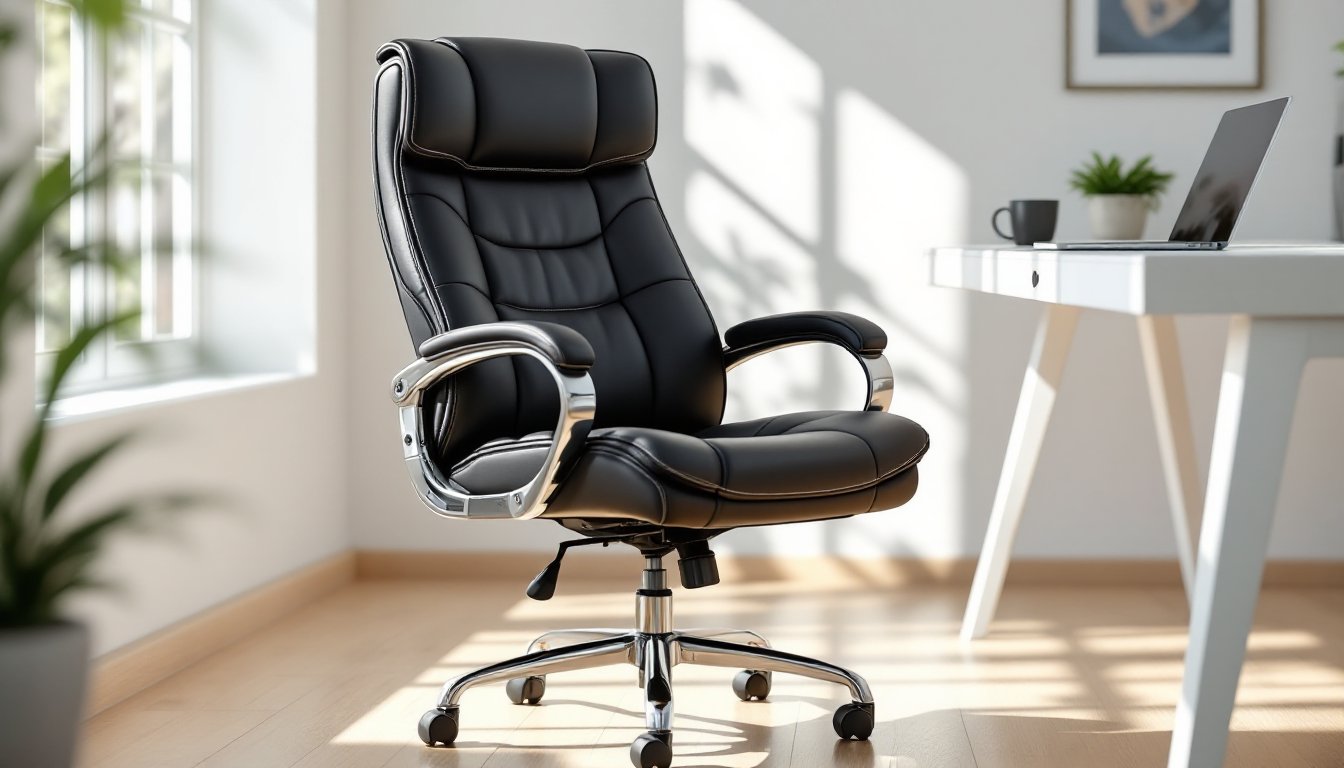
Building out a home office that actually works means getting the seating right. Not just any task chair will do when you’re spending eight-plus hours at a desk. Executive office chairs bring ergonomic support, premium materials, and professional aesthetics that basic models can’t match. Whether you’re converting a spare bedroom into a dedicated workspace or upgrading a corner desk setup, choosing the right chair affects productivity, posture, and long-term comfort. This guide walks through what separates executive chairs from the pack, key features that matter, and how to pick the right model for your space and budget.
Table of Contents
ToggleKey Takeaways
- A best executive office chair prioritizes adjustable lumbar support, seat depth control, and full upper-back coverage (20–30 inches) to prevent long-term posture and neck strain.
- Executive chairs use durable materials like genuine leather or high-tension mesh with steel/aluminum frames rated for 300+ pounds, delivering years of reliable support compared to budget models.
- Essential adjustability features include lumbar depth and height, armrest height and width, seat pan travel of 2–3 inches, and tilt tension control for ergonomic alignment across different body types.
- Quality executive office chairs range from $400–$1,500; models under $300 typically sacrifice adjustability and durability, while certified refurbished premium brands offer better value than new budget options.
- Measure your workspace dimensions, desk height, caster needs (rubber for hardwood/tile, plastic for carpet), and confirm return policies before purchasing to ensure the chair fits your setup and comfort needs.
What Makes an Executive Office Chair Different?
Executive chairs are built around a higher back, typically 20 to 30 inches from the seat pan, providing full support for the upper back, shoulders, and often the head. Standard task chairs stop at mid-back, which leaves your shoulders and neck without structural support during long work sessions.
The construction tends to be heavier-duty. Expect gas cylinders rated for 300+ pounds, steel or aluminum frames instead of molded plastic, and thicker padding in the seat and backrest. These aren’t cosmetic upgrades, they directly affect how the chair handles daily use over years, not months.
Aesthetically, executive chairs lean into professional styling: bonded leather, genuine leather, or high-end mesh upholstery, plus details like contrast stitching, padded armrests, and polished metal accents. They’re designed to look at home in a finished office space, not a dorm room or garage workshop. That said, the look shouldn’t outweigh function. A chair that photographs well but lacks lumbar adjustment or seat depth control will still leave you sore by mid-afternoon.
Key Features to Look for in an Executive Office Chair
Not all executive chairs deliver the same level of support or adjustability. Focus on these core features before worrying about color swatches or brand names.
Ergonomic Support and Adjustability
Lumbar support is non-negotiable. Look for chairs with adjustable lumbar depth and height, fixed lumbar cushions rarely align with your spine’s natural curve. Some models use a tension knob to push the lumbar pad forward: others offer a height slider. Test both if possible.
Seat depth adjustment matters more than most people realize. If the seat pan is too deep, the front edge digs into the back of your knees, cutting off circulation. Too shallow, and your thighs aren’t supported. A good executive chair offers 2 to 3 inches of forward/backward seat pan travel via a lever under the seat.
Armrest adjustability should include height, width, and ideally angle or pivot. Fixed-height armrests force your shoulders up or your elbows to hang, neither of which is sustainable. Width adjustment keeps your arms aligned with your keyboard without crowding your torso.
Tilt tension and lock let you control how much resistance the backrest provides when you lean back. A tilt lock freezes the chair at your preferred recline angle, useful if you switch between active typing and leaning back to read. Many office chairs tested by experts now include multi-position tilt locks, not just upright and full recline.
Headrest support is common on executive models but often poorly implemented. The headrest should reach the curve at the base of your skull without pushing your head forward. If you can’t adjust it to the right height, it’s just decorative.
Premium Materials and Build Quality
Executive chairs use one of three primary upholstery types: bonded leather, genuine leather, or high-density mesh. Bonded leather is the most affordable but has a shorter lifespan, the polyurethane coating peels after a few years of heavy use. Genuine leather (top-grain or full-grain) ages better and stays cooler, but it costs more and requires occasional conditioning to prevent cracking.
Mesh executive chairs sacrifice some of the traditional aesthetic but offer superior breathability. If your office runs warm or you live in a humid climate, mesh reduces sweat buildup. Look for high-tension mesh that won’t sag after six months, cheap mesh stretches out and loses support.
Frame construction should be steel or cast aluminum. Plastic frames exist in budget executive models, but they flex under load and can crack at stress points after a year or two. Check the weight capacity, 250 pounds minimum, but 300+ is preferable even if you don’t need it. Higher ratings indicate a stronger frame and better hardware.
Casters vary by floor type. Hard plastic casters work on carpet: rubber or polyurethane casters roll smoothly on hardwood, tile, or vinyl without scratching. Most chairs ship with one type, but swapping them out is straightforward, standard stem sizes are 7/16 inch or 11mm. If your home office has luxury vinyl plank or engineered hardwood, confirm the casters won’t mar the finish.
Top Executive Office Chairs for Your Home Workspace
Here are models that balance ergonomics, build quality, and aesthetics without requiring a corporate budget.
Herman Miller Aeron (Remastered): Still the benchmark for mesh executive chairs. The PostureFit SL lumbar system adjusts independently for sacral and lumbar support, and the seat’s waterfall edge reduces thigh pressure. Size B fits most users between 5’4″ and 6’1″. Expect to pay around $1,400–$1,700 depending on options. It’s overkill if you’re only at the desk a few hours a day, but if you work from home full-time, it’s a tool investment, not furniture.
Steelcase Leap V2: Another mesh option with a LiveBack technology that adjusts to your spine as you move. The seat glide (depth adjustment) has a 5-inch range, wider than most competitors. Armrests are fully adjustable, 4D movement including pivot. The Leap runs $900–$1,100, which undercuts the Aeron while delivering comparable ergonomics. Good Housekeeping’s testing found it performed well across various body types, particularly for users who shift positions frequently.
La-Z-Boy Delano Big & Tall: If you prefer the traditional executive leather look, this one uses bonded leather but reinforces high-wear areas with extra stitching. Rated to 400 pounds, the gas cylinder and frame are commercial-grade. Lumbar support is via a padded cushion (not adjustable), but the seat depth and tilt tension are both tunable. Runs about $350–$450, making it a solid mid-tier choice for someone who wants a classic aesthetic without the Aeron price tag.
Serta Hannah: Memory foam padding in the seat and backrest, wrapped in bonded leather. The lumbar cushion is fixed, but the overall seat comfort is better than most chairs in the $250–$350 range. It won’t last a decade, but for a guest office or someone who splits time between the desk and job sites, it’s a reasonable pick.
Autonomous ErgoChair Pro: Mesh back, adjustable lumbar, and a tilting headrest at around $450. The armrests offer height and angle adjustment. Build quality is a step below Steelcase or Herman Miller, some users report squeaking after the first year, but the ergonomics are solid for the price. A good entry point if you’re upgrading from a basic task chair and aren’t sure you want to commit four figures yet.
How to Choose the Right Executive Chair for Your Space
Start with your desk height and monitor setup. Standard desk height is 29 to 30 inches from the floor. Your chair’s seat height should allow your feet to rest flat on the floor with thighs parallel to the ground, usually 16 to 21 inches of height adjustment range. If your desk is non-standard (standing desk in sitting mode, drafting table, etc.), confirm the chair’s range covers it.
Measure your workspace. Executive chairs have a larger footprint than task chairs, plan for a 27- to 30-inch width when armrests are adjusted outward, and a seat depth around 20 to 22 inches. Add clearance for the backrest recline: a high-back chair tilted to 135 degrees can extend 40+ inches from the seat edge. If you’re working in a tight corner or under a sloped ceiling, mock up the dimensions with cardboard before ordering.
Consider your flooring. As mentioned earlier, caster type matters. For tile, hardwood, or LVP, rubber or polyurethane casters are essential. For low-pile carpet, hard plastic works. High-pile carpet or area rugs may require a chair mat, a 36-by-48-inch polycarbonate mat with a smooth underside. Avoid PVC mats on hardwood: they can trap moisture and discolor the finish.
Think about assembly and return policies. Most executive chairs arrive in a box requiring 20 to 40 minutes of assembly. You’ll need a Phillips screwdriver (sometimes included) and possibly an Allen wrench set. Instructions vary in quality, some manufacturers include QR codes linking to video guides, which help. If the chair doesn’t fit after assembly, confirm the return policy. Many retailers charge restocking fees (10–20%) or require the original packaging, so keep the box intact until you’ve tested the chair for at least a week.
Budget realistically. A quality executive chair ranges from $400 to $1,500. Models under $300 tend to sacrifice adjustability, frame strength, or upholstery durability. If your budget is tight, consider buying a certified refurbished Herman Miller or Steelcase from a dealer, you’ll get a better chair for $600 than a new budget model for the same price. Browse design platforms like Houzz to see how different chair styles integrate with various office aesthetics, but don’t let looks override ergonomics.
Conclusion
An executive office chair is one of the few pieces of furniture that directly impacts your health and productivity. Prioritize lumbar support, seat depth adjustment, and quality materials over brand cachet or aesthetic trends. Measure your space, test adjustability if possible, and budget for a chair that will last five-plus years. The right model turns long workdays into manageable ones, and that’s worth the investment.