
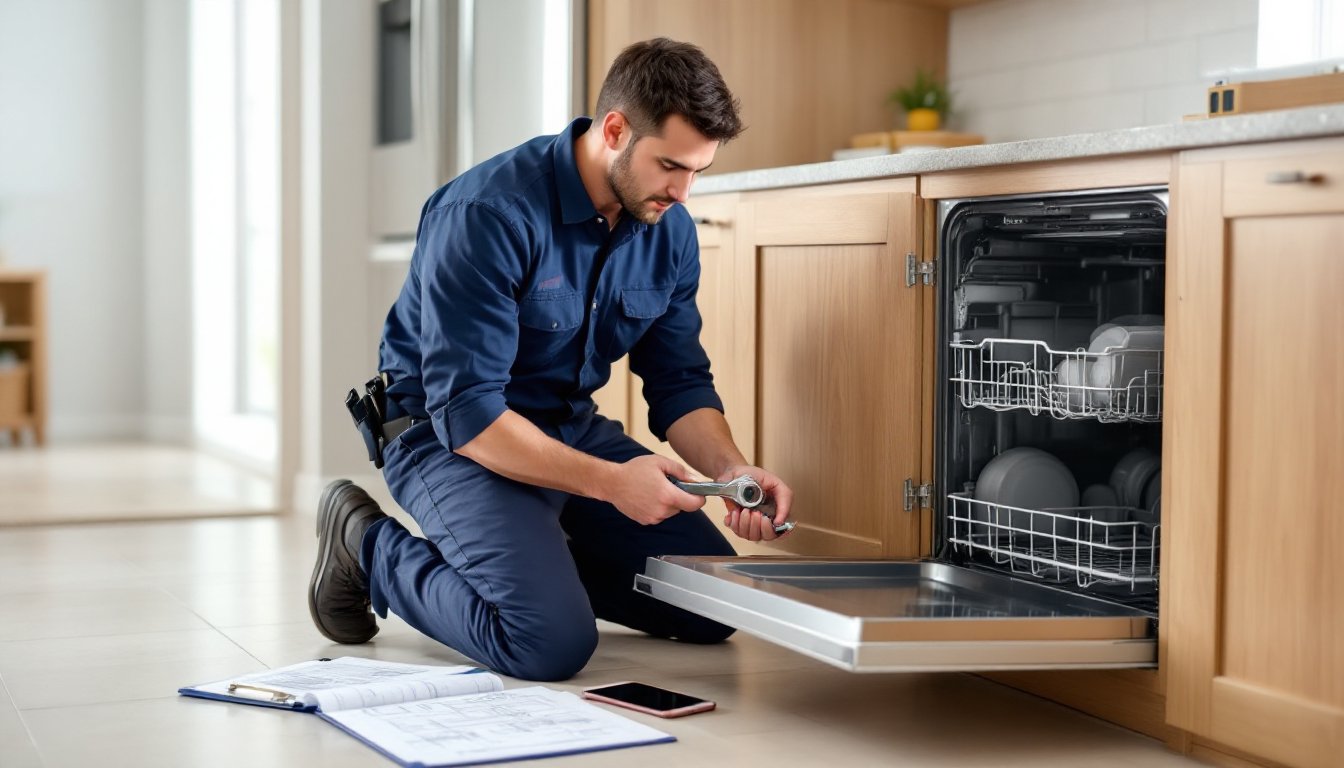
Installing a dishwasher isn’t just plugging in a machine and walking away. There’s plumbing to connect, electrical work to verify, and cabinet modifications to make, all while avoiding leaks, code violations, and voided warranties. For many homeowners, the safest and smartest move is hiring a professional who knows the ins and outs of appliance installation. But how do you find someone who’s actually qualified, fairly priced, and won’t leave you with a puddle on your kitchen floor? This guide walks through everything needed to hire the right dishwasher installer in 2026, from evaluating credentials to spotting red flags before signing any contract.
Table of Contents
ToggleKey Takeaways
- Hiring a professional dishwasher installer protects your home from costly water damage, electrical hazards, and code violations that DIY mistakes can cause.
- Verify that your dishwasher installation professional holds a valid trade license, liability insurance, and manufacturer certifications before signing any contract.
- Professional dishwasher installation costs typically range from $150–$400 for standard replacements, with modifications like new water lines or electrical work adding $100–$300 or more.
- Always request itemized written quotes that clearly specify what’s included (disconnect, haul-away, testing) and what triggers additional fees to avoid surprise costs.
- Avoid installers who work cash-only, skip permits, offer suspiciously low bids, or can’t provide recent references—these are warning signs of inexperience or corner-cutting.
- Get a full test run of your dishwasher before the installer leaves to catch leaks or connection issues immediately rather than discovering them later.
When to Hire a Professional Dishwasher Installer
Not every dishwasher installation requires a pro. If someone’s comfortable with basic plumbing, has verified the electrical outlet is already in place, and knows how to level an appliance, they might handle a straightforward replacement themselves.
But, hiring makes sense in several scenarios. First, new installations, where no dishwasher existed before, typically require running new water supply lines, adding a dedicated drain connection, and potentially installing a new electrical circuit. That crosses into territory that most jurisdictions require permits for, especially electrical work. Second, if the existing setup needs modification, like cutting into cabinetry, relocating the outlet, or upgrading from a 15-amp to a 20-amp circuit, a licensed professional ensures it’s done to code. Third, warranty protection matters. Many manufacturers void warranties if installation isn’t performed by a licensed technician, particularly for high-end models. Finally, if there’s any doubt about the home’s plumbing configuration (galvanized pipes, older shut-off valves, or non-standard connections), a pro can troubleshoot and adapt on the spot.
Bottom line: If the job involves anything beyond swapping an old unit for a new one in the same footprint with existing connections, hire someone. The cost of fixing a botched DIY install, water damage, electrical hazards, or code violations discovered during a home sale, far exceeds the installation fee.
What to Look for in a Dishwasher Installation Professional
Not all installers are created equal. The person who hauls away old appliances isn’t necessarily qualified to handle the plumbing and electrical connections a dishwasher requires.
Start with licensing and insurance. In most states, any work involving plumbing or electrical connections requires a licensed plumber or electrician, or a general contractor who subcontracts to licensed tradespeople. A handyman without those licenses might charge less, but if something goes wrong, a leak that causes subfloor rot, or a wiring fault that trips breakers, insurance won’t cover it, and the homeowner is liable. Always ask for proof of both a valid trade license and general liability insurance. Bonus points if they carry workers’ comp, which protects the homeowner if someone gets injured on the job.
Experience with the specific appliance brand matters, too. Some dishwashers (Bosch, Miele, Fisher & Paykel) have quirks, proprietary mounting brackets, integrated control panels, or unusual drain pump configurations. An installer who’s worked with the brand before will finish faster and avoid trial-and-error mistakes. Ask how many installations they’ve completed in the past year and whether they’ve handled the specific model.
Finally, look for someone who pulls permits when required. In many areas, adding or modifying electrical circuits for a dishwasher installation requires a permit and inspection. A pro who skips this step is cutting corners, and that can complicate future home sales or insurance claims.
Credentials and Certifications That Matter
Licensed plumber or electrician credentials are the gold standard. In states with trade licensing boards (California, Texas, Florida, and most others), these licenses require apprenticeship hours, exams, and continuing education. For appliance-specific work, look for manufacturer certifications, brands like GE, Whirlpool, and Samsung offer training programs, and certified installers often get access to better warranty support and technical resources. The National Appliance Service Technician Certification (NASTeC) is another credential that signals someone knows appliance diagnostics and installation standards. If hiring through a platform like Angi, check that the installer’s profile lists these specifics, not just generic “appliance installation” experience.
How Much Does Professional Dishwasher Installation Cost?
As of 2026, expect to pay $150 to $400 for a standard dishwasher installation where connections already exist. That covers disconnecting the old unit, hooking up water supply and drain lines, making electrical connections, leveling and securing the new dishwasher, and testing for leaks. If hauling away the old appliance is included, add $25 to $50.
Costs climb when modifications are needed. Running a new water line from the nearest hot water source adds $100 to $200 in materials and labor. Installing a new electrical outlet (if the existing one isn’t up to code or is in the wrong spot) runs $150 to $300, depending on how far the electrician needs to run wire from the breaker panel. Cutting or modifying cabinetry to fit a larger or differently sized dishwasher can add another $100 to $250.
Geographic location affects pricing significantly. Urban areas and regions with higher costs of living (Northeast, West Coast) tend toward the higher end of the range, while smaller markets in the South and Midwest skew lower. Time of year matters, too, installers are busiest during kitchen renovation season (spring and early summer), and rates may be higher or availability tighter.
Some retailers bundle installation with appliance purchase. Home Depot, Lowe’s, and Best Buy offer installation packages starting around $120, but read the fine print. These often exclude modifications, haul-away, or any work beyond basic hookup. If the job turns out to be more complex, the installer may quote additional fees on-site, and those can be higher than hiring an independent pro upfront. When comparing professional dishwasher repair and installation services, get itemized quotes so there are no surprises.
Where to Find Qualified Dishwasher Installers
Start local. Independent plumbers and appliance installers often have better availability and more flexible pricing than big-box contractors. Search for “hiring dishwasher” pros through local business directories, community Facebook groups, or Nextdoor recommendations. Word-of-mouth referrals from neighbors who’ve had similar work done are worth their weight in gold.
Online platforms streamline the vetting process. Sites like Angi (formerly Angie’s List), HomeAdvisor, and Thumbtack let homeowners compare reviews, see verified credentials, and request multiple quotes. These platforms often include background checks and customer dispute resolution, which adds a layer of protection. For general home improvement guidance and contractor recommendations, Bob Vila provides expert advice and vetted service provider directories.
Appliance retailers are another route, especially if purchasing a new dishwasher. Brands like GE, Whirlpool, and Bosch maintain networks of certified installers who are factory-trained on their products. This can be the safest bet for high-end or complex installations, though it’s often pricier than hiring independently.
If searching for “jobs near me dishwasher” or “jobs hiring near me dishwasher” online, note that those terms usually surface employment listings, not service providers. Refine searches to “dishwasher installation near me” or “appliance installer” to find the right professionals.
Always check multiple sources. A single five-star review on one platform doesn’t tell the whole story, cross-reference with Better Business Bureau ratings, state licensing board records, and recent customer feedback.
Questions to Ask Before Hiring
Before committing, confirm a few key details. Start with the basics:
- Are you licensed and insured for plumbing and electrical work in this state? Ask for license numbers and verify them with the state board.
- How many dishwasher installations have you completed in the past year? Someone who does this regularly will work faster and anticipate issues.
- Do you handle permit applications, or is that on the homeowner? If permits are required, clarify who’s responsible and whether the fee is included in the quote.
- What’s included in your quoted price? Make sure it covers disconnect, haul-away, installation, testing, and any minor adjustments (like shimming or trimming a cabinet toe kick).
- What’s not included? Confirm what triggers additional charges, new supply lines, electrical work, cabinet modifications, or unforeseen issues like corroded shut-off valves.
- Do you warranty your work? A reputable installer guarantees labor for at least 30 days, and some offer a year.
- Will you test the dishwasher through a full cycle before leaving? This catches leaks or connection issues immediately, not three days later when the kitchen floor is soaked.
Get everything in writing. A detailed quote should list labor, materials, timeline, and any conditions (e.g., “assumes existing electrical outlet is functional and up to code”). If someone balks at putting terms in writing, walk away.
Red Flags to Avoid When Hiring a Dishwasher Installer
Certain warning signs indicate an installer who’s either inexperienced or cutting corners.
No license or insurance. If someone can’t produce proof of a valid trade license and liability insurance, that’s a hard stop. Unlicensed work isn’t just illegal in many jurisdictions, it leaves the homeowner financially exposed if something goes wrong.
Cash-only, no receipt. Insisting on cash with no written agreement or invoice is a red flag for tax evasion and lack of accountability. If there’s a problem later, there’s no paper trail.
Lowball bids that seem too good to be true. If one quote is half the others, it usually means the installer is skipping steps (no permit, no testing, substandard materials) or will hit the homeowner with surprise charges midway through.
Pressure tactics or same-day urgency. Legitimate pros don’t push homeowners to sign on the spot. If someone insists “this price is only good today,” it’s often a manipulation tactic.
Vague or incomplete estimates. Quotes that say “dishwasher install – $200” with no breakdown are a setup for disputes. A professional estimate itemizes labor, materials, and any exclusions.
No references or recent reviews. Someone who’s been doing quality work should have happy customers willing to vouch for them. If they can’t provide at least three recent references or don’t have any online presence, proceed with caution.
Trust instincts. If an installer shows up late, seems unfamiliar with the appliance model, or dismisses questions, those are signs the job may not go smoothly. It’s better to wait for the right person than to hire the first available name and deal with problems afterward.