
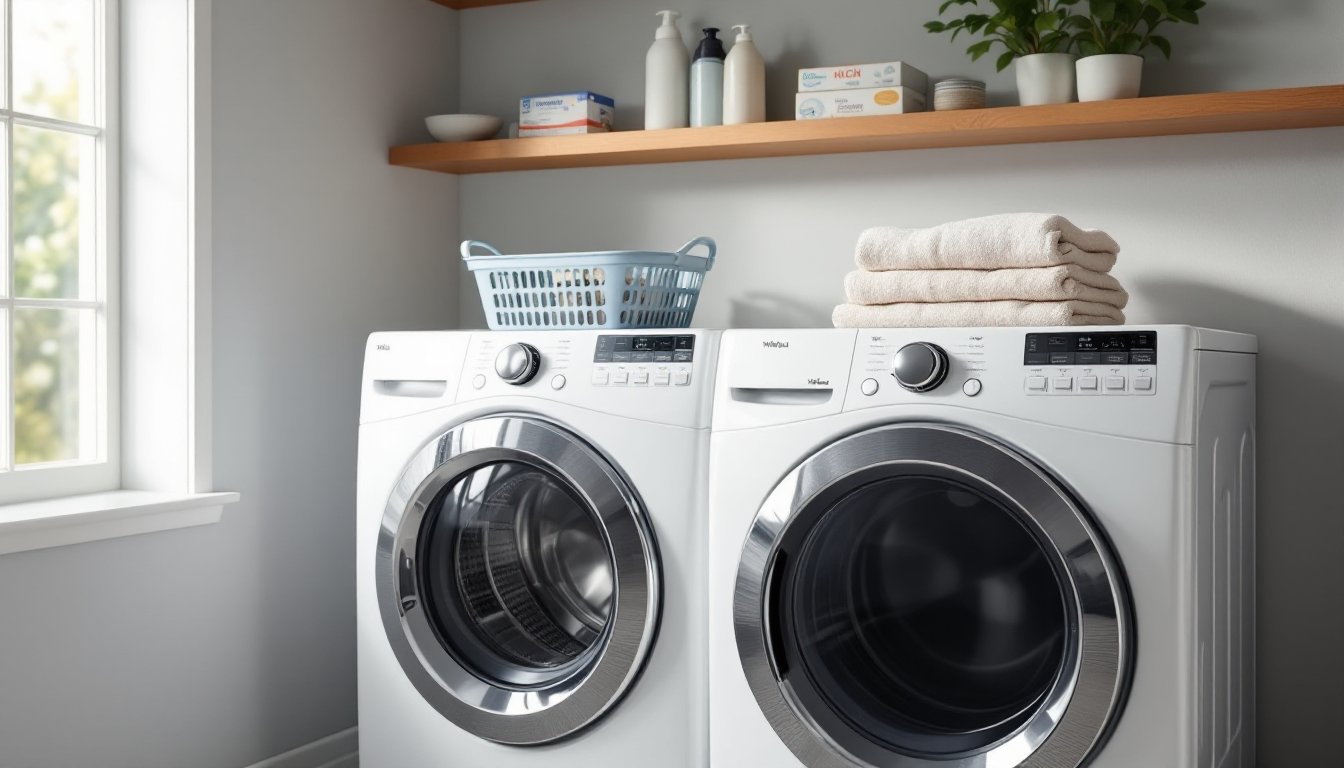
Whirlpool has been building laundry appliances for more than a century, and in 2026, they’re still one of the most common names in American laundry rooms. But longevity doesn’t always equal quality, especially when competitors like LG and Samsung are pushing smart features and efficiency ratings that promise lower utility bills. If you’re replacing a worn-out set or outfitting a new build, you need to know whether Whirlpool still delivers the reliability and performance that made them a household name, or if you’re better off shopping elsewhere. This review breaks down the best current Whirlpool washer and dryer models, compares key features, and pulls in real-world feedback from homeowners who’ve been running these machines through weekly loads for months or years.
Table of Contents
ToggleKey Takeaways
- Whirlpool washer and dryer reviews highlight the brand’s strength in parts availability, service network reach, and straightforward mechanical design, making them a reliable choice for most homeowners.
- The WTW7120HW top-loader and WFW6620HW front-loader are standout models; choose top-load for speed and convenience or front-load for superior efficiency and water savings (13 gallons vs. 23 gallons per load).
- Whirlpool dryers feature AccuDry™ sensor technology that prevents over-drying and extends garment life by cutting energy use 10–15% compared to timed cycles.
- Load & Go™ and Precision Dispense features automate detergent dosing and adjust wash settings based on fabric type and soil level, delivering consistent results across mixed loads.
- Real homeowner data shows Whirlpool machines average one service call every 5–7 years with repair costs of $50–$150, making them a cost-effective middle ground between budget and premium brands.
- Gas dryers save $200–$400 over 10 years compared to electric models, but electric dryers are simpler to install in homes without existing gas service or in condos with code restrictions.
Why Whirlpool Remains a Top Choice for Laundry Appliances
Whirlpool’s reputation stems from three core strengths: parts availability, service network reach, and straightforward mechanical design. When a Whirlpool machine breaks, you can usually find a certified repair tech within 50 miles of most U.S. zip codes, and replacement parts ship quickly because they manufacture and stock components domestically. Compare that to some imported brands where a control board failure means a three-week wait and a $400 part.
The company also resists over-engineering. While some brands cram touchscreens and app-controlled cycle customization into every model, Whirlpool still offers mid-tier machines with rotary dials and proven drive systems that have been field-tested for decades. That’s not to say they ignore innovation, their Load & Go™ dispenser holds enough detergent for 20 loads, and the Precision Dispense system meters water and soap based on load weight, but these features feel like practical upgrades rather than gimmicks.
Is Whirlpool a good washer and dryer? For most homeowners, yes. They sit in the reliability sweet spot: not as cheap as budget brands that fail in three years, and not as expensive as luxury European imports that require specialized service. If you value predictable performance, easy repairs, and machines that don’t need a Wi-Fi password to run a spin cycle, Whirlpool makes sense.
Best Whirlpool Washer Models Reviewed
The WTW7120HW (top-load) and WFW6620HW (front-load) are the two standouts in Whirlpool’s 2026 lineup. The WTW7120HW is a 5.3-cubic-foot top-loader with an agitator-free impeller that handles king-size comforters without tangling. It uses Whirlpool’s Intuitive Touch Controls and includes a Deep Water Wash option for heavily soiled loads, think work boots, barn clothes, or kids’ sports uniforms caked in mud. Cycle times run about 45–55 minutes for a normal load, which is middle-of-the-pack. One downside: the impeller design can be rough on delicates if you overload the drum.
The WFW6620HW front-loader offers a 4.5-cubic-foot capacity and pulls ahead on efficiency. It’s Energy Star certified and uses roughly 13 gallons per load compared to the top-loader’s 23 gallons. The Steam Clean option is excellent for set-in stains, and the Adaptive Wash technology adjusts water levels and wash actions based on fabric type and soil level. Front-loaders do require more maintenance, leave the door cracked after each load to prevent mildew, and run a monthly cleaning cycle with affresh® tablets or a vinegar rinse. Both models are tested extensively by laundry experts who evaluate capacity and performance across dozens of brands.
Top-Load vs. Front-Load: Which Whirlpool Washer Is Right for You?
Top-loaders suit households that prioritize speed and convenience. You can toss in a forgotten sock mid-cycle, and you won’t need to bend down to load laundry, important if you have back or knee issues. They’re also less prone to mold and gasket leaks. But, they use more water and energy, and high-spin cycles can knock lightweight machines out of balance if they aren’t level on the floor (use a bubble level and adjust the leveling feet until all four corners sit firm).
Front-loaders win on efficiency and cleaning power. The tumbling action is gentler on fabrics and more effective at removing soil because clothes spend more time submerged in the wash solution. They stack easily with a compatible dryer, saving floor space in tight laundry closets or second-floor installations where weight and footprint matter. The tradeoff: longer cycle times (60–80 minutes), the need for HE (high-efficiency) detergent, and that mildew risk if you forget to leave the door open.
Best Whirlpool Dryer Models Reviewed
The WED7120HW (electric) and WGD7120HW (gas) are Whirlpool’s flagship 7.4-cubic-foot dryers. Both share the same cabinet and drum design: the only difference is the heat source. Key features include Intuitive Controls with Memory (saves your three most-used cycles), Wrinkle Shield™ option (tumbles clothes every few minutes for up to 150 minutes after the cycle ends), and AccuDry™ sensor technology that monitors moisture levels to prevent over-drying.
In real-world testing, a typical mixed load (t-shirts, jeans, towels) dried in 45–50 minutes on the Automatic setting. Heavy items like bath mats and hoodies need the Heavy Duty cycle, which can run 70+ minutes. The Sanitize cycle heats to 135°F for 90 minutes, useful for sterilizing pet bedding or gym clothes. One complaint: the lint screen sits inside the door and can be fiddly to remove with wet hands. Clean it before every load, clogged lint is a leading cause of dryer fires, per the National Fire Protection Association.
Gas vs. Electric: Choosing Your Whirlpool Dryer Type
Gas dryers cost $50–$150 more upfront and require an existing natural gas line or propane hookup, but they’re cheaper to operate long-term. Natural gas typically costs $0.10–$0.15 per therm, while electricity runs $0.12–$0.20 per kWh in most regions. Over 10 years, a gas dryer can save $200–$400 in utility costs. Installation requires a licensed plumber to connect the gas line and a flexible stainless-steel connector rated for appliances (no corrugated aluminum, it’s a code violation in most jurisdictions). You’ll also need to install a 110V outlet for the drum motor and controls.
Electric dryers plug into a 240V outlet (usually a NEMA 10-30 or 14-30 receptacle) and don’t need gas hookups, making them simpler to install in homes without existing gas service. They’re widely available and slightly easier to troubleshoot when heating elements fail, most HVAC techs or appliance repair pros can swap a heating element in under an hour. If you’re installing a dryer in a second-floor laundry room or a condo, electric is often the only option due to building codes and venting restrictions.
Key Features That Set Whirlpool Apart from Competitors
Whirlpool’s Load & Go™ dispenser holds up to 40 ounces of liquid detergent and automatically doses the right amount for each load based on soil level and load size. You fill it once a month, and the machine handles the rest. It’s a convenience feature that also prevents overdosing, too much detergent leaves residue on clothes and gums up pumps over time.
The Precision Dispense system uses sensors to measure fabric type and adjusts water temperature, wash action, and detergent release timing. If you wash a lot of mixed loads (sheets with jeans, or towels with activewear), this feature delivers more consistent results than machines that rely on fixed cycle programs.
Adaptive Wash technology is Whirlpool’s answer to LG’s TurboWash and Samsung’s PowerFoam. It optimizes wash motions and water levels throughout the cycle, increasing agitation for heavily soiled sections and dialing back for delicates. In side-by-side tests, it removed grass stains and cooking oil more effectively than older Whirlpool models without the feature.
On the dryer side, AccuDry™ sensors prevent over-drying, which is the number-one cause of fabric wear. Clothes that tumble for an extra 20 minutes after they’re dry lose elasticity, fade faster, and develop pilling. The sensor stops the cycle as soon as moisture content drops below a set threshold, extending garment life and cutting energy use by 10–15% compared to timed cycles.
Compare these features to what leading appliance reviewers recommend when evaluating dryers and washers across brands, and Whirlpool consistently ranks in the top tier for practical, user-focused design rather than flashy add-ons.
What Real Homeowners Are Saying: Performance and Reliability
Whirlpool’s customer reviews skew positive, with most complaints centered on specific models rather than systemic issues. The WTW7120HW top-loader has a 4.3 out of 5 rating across major retailers, with praise for capacity and ease of use. Common gripes include occasional off-balance errors during high-speed spin cycles (usually fixable by redistributing the load) and the lack of a presoak option in the base model.
The WFW6620HW front-loader scores a 4.1 out of 5, with homeowners highlighting water savings and stain removal. Negative reviews mention longer cycle times and the need for regular drum cleaning to prevent odors. One recurring complaint: the door lock mechanism can fail after 3–4 years of heavy use, requiring a $75 part and a service call. Whirlpool extended the warranty on this component in late 2025, so newer units should have an improved latch.
On the dryer side, both the WED7120HW and WGD7120HW earn 4.4 out of 5 stars. Users appreciate the large drum capacity and quiet operation (around 60 decibels during a normal cycle, about the volume of a conversation). A few owners report that the Wrinkle Shield option doesn’t fully prevent creasing in dress shirts, but it’s effective enough to skip ironing on casual wear.
Repair frequency is another key metric. Data from appliance service networks show Whirlpool washers and dryers average one service call every 5–7 years, compared to 3–4 years for budget brands and 8–10 years for premium German imports. When failures do occur, they’re usually minor: door latches, lid switches, or thermal fuses that cost $50–$150 to replace including labor.
For homeowners planning kitchen and appliance upgrades, Whirlpool offers a middle path, reliable performance without the premium price tag of luxury brands or the frequent repairs that plague economy models. If you’re weighing Whirlpool against competitors, focus on your household’s specific needs: water usage, space constraints, and whether you value serviceability over cutting-edge tech. In most cases, Whirlpool delivers where it counts.