
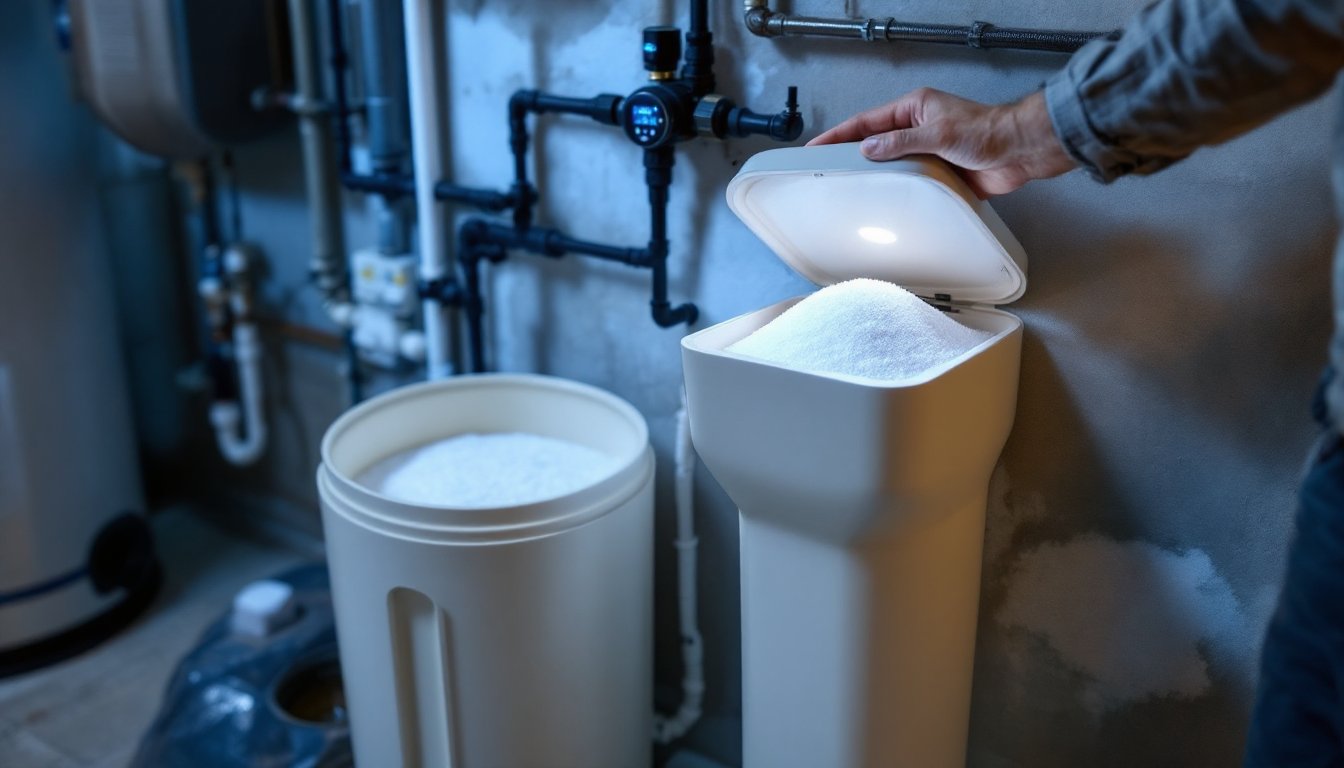
If you’ve noticed chalky white buildup on faucets, soap that won’t lather, or laundry that feels stiff after washing, hard water might be to blame. But does that mean you need a water softener? The answer depends on your water’s mineral content, how those minerals affect your plumbing and appliances, and whether the benefits justify the investment. Water softeners aren’t cheap, installation and ongoing maintenance add up, so understanding what you’re dealing with and whether a softener is necessary or just nice to have is essential before you commit.
Table of Contents
ToggleKey Takeaways
- Hard water containing calcium and magnesium above 7 gpg causes scale buildup, reduces appliance efficiency, and interferes with soap effectiveness—signs you may need a water softener.
- A water softener uses ion exchange technology to remove hardness minerals, improving appliance lifespan by up to 20-30% on water heater efficiency and cutting detergent use in half.
- Test your water hardness at home with affordable test strips ($10-$20) before deciding if a water softener is necessary—results below 7 gpg suggest minimal benefits.
- Water softener systems cost $400-$600 plus $300-$500 installation, with ongoing maintenance of one to two salt bags monthly at $5-$10 each.
- Skip a water softener if your water is soft or moderately hard, you’re renting short-term, or you have concerns about sodium intake—filters or point-of-use solutions may work better.
What Is Hard Water and How Does It Affect Your Home?
Hard water contains high concentrations of dissolved minerals, primarily calcium and magnesium. These minerals enter the water supply as it percolates through limestone, chalk, and gypsum deposits underground. Hardness is measured in grains per gallon (gpg) or parts per million (ppm), with water above 7 gpg (or 120 ppm) generally considered hard.
The minerals themselves aren’t harmful to health, but they wreak havoc on plumbing systems, appliances, and daily household tasks. When hard water is heated, calcium and magnesium precipitate out and form scale, a crusty, off-white deposit that clogs pipes, coats heating elements, and reduces the efficiency of water heaters, dishwashers, and washing machines. Over time, scale buildup can shorten appliance lifespans by years.
Hard water also interferes with soap. The minerals bind with soap molecules, preventing lather and leaving behind a filmy residue called soap scum on skin, hair, dishes, and shower walls. This means you use more detergent, shampoo, and cleaning products to get the same results, and even then, you might not be satisfied with the outcome. If your water heater is taking longer to heat, your showerhead has white crust around the nozzles, or your dishes come out of the dishwasher spotted, hard water is likely the culprit.
Clear Signs You Need a Water Softener
You don’t always need a lab test to know if hard water is a problem. Several visible and tactile signs point directly to high mineral content.
Scale buildup is the most obvious indicator. Check faucet aerators, showerheads, and the inside of your kettle or coffee maker. If you see white, chalky deposits that are hard to scrub off, that’s calcium carbonate. Pull the access panel on your water heater and inspect the heating element if accessible, heavy scale on the element means the tank interior is likely coated too, reducing efficiency and increasing energy costs.
Soap performance is another red flag. If bar soap won’t lather, shampoo feels flat, or laundry detergent leaves clothes feeling scratchy and dull, hard water is binding with the soap before it can clean effectively. You might also notice a grayish tinge to white fabrics over time as mineral deposits embed in fibers.
Look for soap scum in the shower and tub. That filmy residue that requires heavy scrubbing is a mixture of soap and hardness minerals. It doesn’t rinse away easily because it’s essentially a chemical reaction product, not just dirt.
Dry skin and hair after showering can also signal hard water. The mineral film left on skin can clog pores and prevent moisturizers from absorbing. Hair may feel straw-like or weighted down, even with conditioner.
Finally, check your water-using appliances. If your dishwasher leaves spots and streaks on glassware, or your washing machine requires extra rinse cycles, hard water is likely interfering. Homeowners experiencing these symptoms of hard water buildup often see immediate improvements after installing a softener.
The Benefits of Installing a Water Softener
A water softener removes calcium and magnesium through a process called ion exchange. Hard water flows through a resin bed loaded with sodium or potassium ions. The resin beads attract and hold onto calcium and magnesium, releasing sodium or potassium into the water in return. Periodically, the system regenerates by flushing the resin with brine, washing away trapped minerals and recharging the resin for another cycle.
The benefits of softened water are tangible and often immediate. Appliances last longer because scale no longer coats heating elements or clogs valves. Water heaters, in particular, see a significant efficiency boost, studies suggest that removing hardness minerals can improve heater efficiency by up to 20-30%, cutting energy bills. Dishwashers and washing machines also run better and require fewer repairs.
Soap and detergent use drops dramatically. Softened water lathers easily, so you need less shampoo, body wash, dish soap, and laundry detergent. Many homeowners report cutting detergent use by half. Dishes come out of the dishwasher spotless, and laundry feels softer without fabric softener.
Cleaning becomes easier. Without soap scum buildup, showers and sinks stay cleaner with a quick wipe. Fixtures retain their shine, and you spend less time scrubbing.
Skin and hair often feel better too. Without the mineral film, skin feels softer, and hair is shinier and easier to manage. People with eczema or sensitive skin sometimes see improvement, though results vary.
If you’re wondering whether is a water softener necessary or if it’s just a convenience, the answer hinges on hardness level and how much the problems above affect your daily life and wallet. For homes with very hard water (above 10-15 gpg), a softener often pays for itself through appliance longevity and reduced product use.
When You Might Not Need a Water Softener
Water softeners aren’t universally necessary. If your water tests below 7 gpg, you’re in the “moderately hard” to “soft” range, and the issues above are likely minimal or nonexistent. Installing a softener in this scenario won’t deliver much benefit and adds unnecessary maintenance and cost.
Some households prefer not to soften drinking water, especially if they’re on a sodium-restricted diet. While the sodium added during ion exchange is modest (roughly 8 mg per 8-oz glass for water at 10 gpg), it does increase intake. In these cases, a bypass valve on the kitchen cold water line can provide unsoftened water for drinking and cooking while treating the rest of the house.
If you’re on a private well with naturally soft water, you’re already in good shape. Wells fed by certain aquifers or areas with granite bedrock often produce soft water. Test before assuming, though, well water composition varies widely even within a few miles.
Renters or those in short-term housing might ask, is water softener worth it if they won’t be in the home long enough to recoup the upfront cost? In that case, portable or point-of-use solutions like showerhead filters or small countertop softeners for specific faucets might be more practical.
Finally, if you’re dealing with iron, sulfur, or other water quality issues, a standard softener won’t solve them. Iron fouling can actually clog the resin bed, reducing softener performance. You may need a dedicated iron filter or sulfur treatment system before or instead of a softener. Consult a water treatment professional if your water has a metallic taste, rusty staining, or rotten-egg odor, those symptoms point to problems beyond hardness.
How to Test Your Water Hardness at Home
Before deciding whether to invest in a softener, test your water. The most affordable and accessible method is a hardness test strip or liquid test kit, available at hardware stores, home centers, or online for $10-$20. These kits measure total hardness in gpg or ppm.
To use a test strip, fill a clean container with cold tap water, dip the strip for the time specified (usually a few seconds), then compare the color change to the included chart. Liquid kits work similarly: add drops of reagent to a water sample until the color changes, then count the drops to determine hardness.
For a more comprehensive analysis, request a water quality report from your municipal supplier if you’re on city water. Utilities are required to publish annual reports, and many include hardness data. Be aware that hardness can vary seasonally and by neighborhood, so a home test is still useful.
If you’re on a well or want a detailed breakdown of mineral content, laboratory testing is the gold standard. Local extension offices, private labs, or water treatment companies can analyze samples for hardness, iron, manganese, pH, and other parameters. Testing typically costs $50-$150 depending on the panel.
Interpret results using this scale:
- 0-3.5 gpg: Soft
- 3.5-7 gpg: Moderately hard
- 7-10.5 gpg: Hard
- Above 10.5 gpg: Very hard
If your test shows hardness above 7 gpg and you’re experiencing the problems outlined earlier, a water softener is likely a sound investment. Tests showing hard water levels above 10 gpg strongly indicate that treatment will deliver noticeable benefits.
Choosing the Right Water Softener for Your Household
Once you’ve confirmed hard water is a problem, size and type matter. Water softeners are rated by grain capacity, the total grains of hardness the resin can remove before regeneration. To size a system, multiply your household’s daily water usage (average is about 80-100 gallons per person per day) by your water’s hardness in gpg, then multiply by the days between regeneration cycles (typically 7-10 days).
For example, a four-person household using 400 gallons per day with 10 gpg hardness needs to remove 4,000 grains daily, or about 28,000-40,000 grains between regenerations. A 32,000-grain or 48,000-grain softener would be appropriate. Undersizing leads to frequent regeneration and wasted salt: oversizing wastes money upfront.
Most residential softeners are salt-based ion exchange systems. They’re reliable, effective, and relatively affordable, with quality units starting around $400-$600 before installation. Professional installation typically adds $300-$500, depending on plumbing complexity and whether you need a drain line, electrical outlet, or loop installation.
Some systems use potassium chloride instead of sodium chloride (salt) for regeneration. Potassium is a good option if sodium intake is a concern, but it costs roughly three times more than salt and is harder to find.
Salt-free conditioners are marketed as alternatives, but they don’t actually remove hardness minerals. Instead, they use template-assisted crystallization (TAC) to change the structure of minerals so they’re less likely to form scale. They won’t deliver the soap-lathering and cleaning benefits of a true softener, and performance is debated. If you want soft water, stick with ion exchange.
Dual-tank or demand-initiated systems regenerate based on actual water use rather than a timer, improving efficiency and ensuring you never run out of soft water. They cost more upfront but use less salt and water over time.
Look for systems certified by NSF International (NSF/ANSI Standard 44), which tests for performance, structural integrity, and contaminant reduction claims. Avoid no-name imports with vague specs, softeners are a long-term investment, and quality matters.
Budget for ongoing costs too: a typical household uses one to two 40-pound bags of salt per month, costing $5-$10 per bag. Annual maintenance is minimal, check salt levels, clean the brine tank once a year, and occasionally add resin cleaner if you have iron in your water.
Conclusion
Deciding whether you need a water softener comes down to testing your water, evaluating the impact of hardness on your home, and weighing the costs against the benefits. If you’re dealing with scale buildup, poor soap performance, and appliance inefficiency, a softener is often a smart investment that pays off in lower bills, longer appliance life, and less hassle. But if your water tests soft or only moderately hard, skipping the system and addressing specific issues with filters or descalers might make more sense. Test first, then decide.